


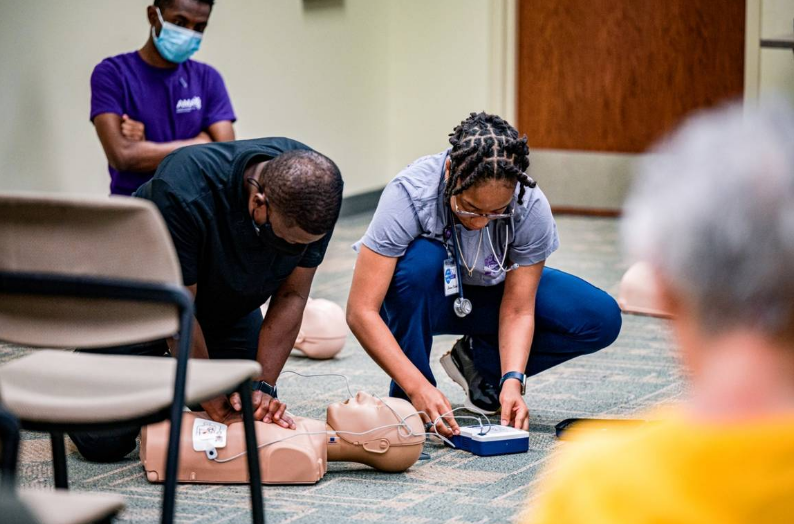
CPR is one of the important techniques in the medical practice that defines the difference between life and death in crises. CPR therefore goes beyond the immediate need that is somehow fulfilled by giving out Cardiopulmonary Resuscitation; the ability of others to come to the aid of other person in distress. As many as 350,000 out-of-hospital cardiac arrests occur annually, and each second lost is critical, yet knowledge of CPR allows ordinary citizens to become the heroes of the hour. Participating in CPR training is effective not only in that it provides the participants with skills in how to execute CPR but also it provides them with confidence and makes lookers-on, where time is of the essence, into useful people.
Incorrect Hand Placement on the Chest
According to CPR first aid, perhaps the most important aspect of performing CPR is the placement of hands on the chest. Misplacement of the hands or lack of proper positioning of them can dramatically decrease the force applied to the chest diminishing the efficiency of your compressions and that is why it is essential to consider why it matters. It also costs force if the hands are placed too high or too low on the chest and dangerous organs such as the ribs and sternum may be affected. This implies that even when you are trying to save a life for instance by using a hand technique the wrong placements of the hands could even bring more damage than benefits.
Furthermore, most people feel they lack the capacity to identify the right place in an emergency especially when there is much commotion. The number of chest compressions should be placed just below the nipples and if you have the time it is better to constantly adjust the position of your hands to aid blood flow to the person needing to be revived. Such techniques should be rehearsed with actual equipment, such as manikins used in more expansive Emsrun Medical courses to build and enhance muscular memory for those important moments that might be life and death.
Failing to Check for Breathing Properly
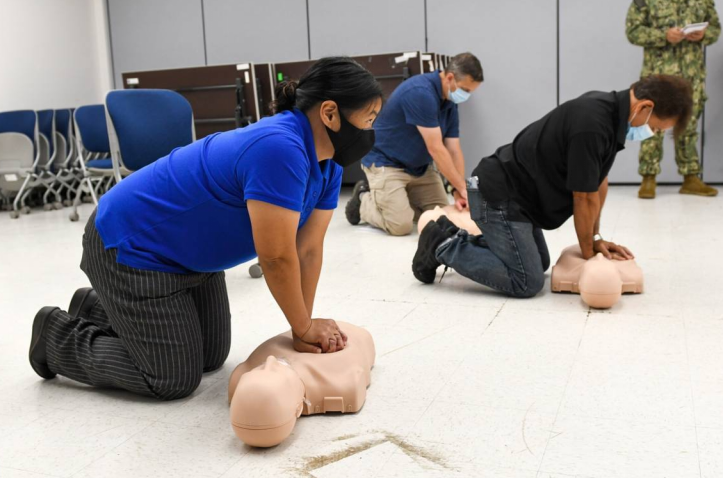
The essential but often quite ignored step in CPR is checking whether the victim is well-ventilated before moving to the compressions step. When the rescue is proceeding, the adrenaline goes high and most of the rescuers miss this important check. If breaths are not checked correctly, it becomes easy to miss a chance to offer the right help. Besides this, when observing the chest, of the victim, there are three types of search: sight, sound, and touch; to be sure—the more ways used, the higher the likelihood of an accurate conclusion.
Furthermore, even if after some time you hear air movements that are irregular or quick panting referred to as agonal breathing, then it should encourage you to act without any hesitation rather than waiting. Several people assume that such one-off actions imply that support is not necessary at the moment; on the contrary, they indicate a serious acute illness when timely interventions are necessary. It is something as simple as realizing that time is precious and reminding that one should do 30 compressions followed by two breaths even if normal respiratory rhythm is not quite clear.
Improper Compression Depth and Rate
Some of the biggest concerns are regarding the depth and frequency of chest compressions during CPR, yet people do not pay much attention to it. Adults, for instance, should make sure that their compression depth is at least 2 inches to allow blood to flow properly to the organs they need most; this is dangerous if they compress too deeply for the smallest ribs may fracture or the internal organs may be damaged. Balance is critical here; applying low compressions compromises oxygen delivery thus increasing mortality rates more so.
Furthermore, it is very difficult to achieve the right set compression rate of 100-120 compression per minute especially when one is stressed. Attempting a strategy too quickly also leads to ineffectiveness while if done too slowly, it poses a risk to the survival of the business. However, there are some techniques that I used with the metronome or songs such as ‘Stayin’ Alive’ which ensure that the rhythm becomes part of your muscle memory. It is also important to note that counting one breath for every two compressions helps maintain concentration especially when everything is in a mess when there is life at stake.
Ignoring Victim’s Age and Size Factors
The most significant misunderstanding in CPR first aid is that people fail to consider a victim’s age and size during an evaluation on how to handle him/her. It can result in inefficiency when practicing some techniques in handling situations since the techniques in use can compound the problem instead of solving it. For instance, when an adult has been trained in CPR and applies it on an infant or small child it not only poses harm but also can hamper the efforts of saving the child.
In addition, knowing how age and size influence performing physiological conditions can improve decision-making in critical situations. The problem with pediatric victims is that they possess distinguishing anatomical features; small lungs mean that breaths have to be deeper yet lighter and chest compressions are much lighter given the delicate internal systems of children. Likewise, it suggested that due to disparities in the distribution of body mass, their methods may have to be adjusted because of circulation during chest compression.
Stopping CPR Too Soon or Late
The first mistake that is fatal in delivering CPR is to either stop way before the process is complete or to go on after the result has been achieved. The urge to stop compressing can be attributed to exhaustion and stress which may be more so with any person not trained to handle such pressure of dealing with the lives of other people. However, each minute without blood flow reduces the possibilities of survival and adequate neurological outcome for a victim of a cardiac arrest.
On the other hand, CPR after there has been the return of spontaneous circulation prolongs unnecessary mechanical trauma to the physically challenged bodies. Understanding when to do an evaluation is very important; one should always look for signs of breathing or consciousness before moving on with the operation. What is needed in this delicate balance between perseverance and evaluation is both a good head and an elementary idea of how the state of the victim changes during attempts to revive him.
For more info about the product contact [email protected]